


Report cards play a vital role in a child’s educational journey. They go beyond grades to explain learning patterns, behavior, and development in a clear and meaningful way for families and students. Well-written report card comments strengthen communication between teachers and parents, support student motivation, and encourage continuous improvement. When written thoughtfully, they become a powerful tool for academic and personal growth.
In this article, we will explain how to write effective report card comments, highlighting best practices and practical examples across age groups and subjects. We’ll also show how thoughtful feedback improves communication, engagement, and student outcomes.
What Are Report Card Comments?
Report card comments are the written reflections teachers share about a child’s learning, growth, and classroom experience. They help families understand more than just grades by describing how a child participates, develops skills, and engages with others in the classroom. At their best, these comments tell a story about progress over time, highlighting strengths while gently guiding next steps.
Traditional report cards, however, are often written at the end of a term, which means months of growth are compressed into a few short paragraphs. Because of this, many educators are moving toward a more narrative approach to assessment. Instead of summarizing performance after the fact, teachers document meaningful moments as they happen — how a child persisted through a challenge, collaborated during play, or expressed curiosity in a new idea.
In Little Lab, this philosophy is supported through Learning Stories, where educators capture real classroom moments in their own words and pair them with photos collected throughout the year. This creates a more personal, ongoing picture of development, helping families see not just outcomes, but the learning journey itself.
Key Elements of Report Card Comments
- Academic performance overview: Highlights learning achievements, skill development, and subject-level performance using clear and measurable classroom observations.
- Behavior and participation feedback: Describes classroom conduct, engagement level, collaboration skills, and consistency in following learning routines.
- Strengths and areas for improvement: Balances positive student feedback with specific growth opportunities to encourage continuous academic and personal development.
- Actionable learning recommendations: Provides practical strategies that parents and students can apply to support improvement and skill-building.
- Developmentally appropriate language: Ensures feedback matches the student’s age, learning stage, and emotional maturity for accurate understanding.
- Clear, parent-friendly language: Using simple, easy-to-understand wording helps families quickly interpret student progress and performance.
- Personalized student focus: Reflecting individual learning styles, achievements, developmental needs, and classroom experiences rather than generic feedback.
- Specific, evidence-based feedback: Including observable examples and measurable outcomes that make student performance comments credible and meaningful.
Report Card Comments
These report card comments provide general, adaptable feedback that teachers can use across developmental and academic contexts. Effective report card comments must reflect developmental stages, learning styles, and emotional needs.
1. Behavior and Social Skills
Positive:
- Demonstrates respectful behavior toward peers and teachers during classroom and group learning activities.
- Cooperates well in team settings, showing empathy, patience, and strong listening skills.
- Consistently follows classroom expectations and models positive behavior for classmates.
- Builds healthy peer relationships and contributes positively to collaborative tasks.
- Shows responsibility by managing personal belongings and classroom routines independently.
Constructive
- Needs reminders to follow classroom rules and maintain appropriate behavior during group activities.
- Is learning to manage emotions and respond calmly in challenging social situations.
- Would benefit from improving sharing skills during cooperative play and learning tasks.
- Requires guidance to stay respectful during disagreements with peers.
- Is working on developing patience and turn-taking during collaborative activities.
Neutral
- Participates in social interactions but prefers familiar peers during group work.
- Follows classroom routines with occasional reminders from teachers.
- Engages in group activities when encouraged by adults.
- Demonstrates emerging confidence in social communication settings.
- Shows developing awareness of classroom expectations and peer dynamics.
2. Effort and Attitude
Positive
- Demonstrates consistent effort in completing classroom tasks and approaches new learning experiences with enthusiasm.
- Maintains a positive attitude toward challenges and shows willingness to try different problem-solving strategies.
- Takes pride in work quality and regularly strives to improve performance across subjects.
- Displays strong motivation to participate and contribute during lessons and activities.
- Approaches assignments with responsibility, focus, and a strong sense of ownership.
Constructive
- Would benefit from sustaining effort during challenging tasks and avoiding giving up too quickly.
- Needs encouragement to maintain focus and complete assignments with consistent dedication.
- Is developing a more positive attitude toward subjects that feel academically demanding.
- Requires reminders to stay motivated and put forth the best effort in independent work.
- Is learning to approach feedback constructively and apply suggestions to improve outcomes.
Neutral
- Completes assigned tasks with adequate effort and meets basic classroom expectations.
- Demonstrates a steady attitude toward learning, with occasional fluctuations in motivation.
- Participates when prompted and shows moderate interest in academic activities.
- Maintains satisfactory work habits across most classroom tasks.
- Shows developing confidence when engaging with new or unfamiliar learning material.
3. Specific Skills Development
Positive
- Demonstrates strong critical thinking skills by analyzing problems carefully and proposing thoughtful, logical solutions.
- Produces well-structured writing with clear ideas, appropriate vocabulary, and organized sentence flow.
- Shows creativity through imaginative storytelling, artwork, and innovative classroom project contributions.
- Applies reasoning skills effectively when solving academic and real-life classroom challenges.
- Expresses original ideas confidently across writing, discussions, and creative assignments.
Constructive
- Would benefit from expanding critical thinking by exploring multiple solutions before finalizing answers.
- Is developing writing structure and needs support organizing ideas more clearly.
- Requires encouragement to take creative risks and express ideas more freely.
- Needs to elaborate on written responses to demonstrate deeper understanding.
- Is learning to apply analytical thinking more consistently across subjects.
Neutral
- Demonstrates emerging critical-thinking skills during guided problem-solving activities.
- Shows steady progress in organizing thoughts within written tasks.
- Participates in creative tasks with steady interest and effort.
- Shows growing ability to analyze information when supported.
- Demonstrates foundational creativity in art, storytelling, and classroom projects.
4. Communication Skills
Positive
- Expresses ideas clearly during oral discussions and participates confidently in classroom conversations.
- Demonstrates strong listening skills by following instructions carefully and responding appropriately.
- Communicates thoughts effectively through age-appropriate written work and creative expression.
- Engages actively in group discussions, respecting others’ viewpoints while sharing personal insights.
- Listens attentively during lessons and applies verbal instructions accurately in tasks.
Constructive
- Is developing confidence in speaking during group discussions and classroom presentations.
- Would benefit from improving listening focus during multi-step instructions.
- Needs support in organizing thoughts clearly in written communication tasks.
- Is learning to wait for turns and communicate respectfully in conversations.
- Requires encouragement to elaborate ideas more clearly in both oral and written responses.
Neutral
- Communicates basic ideas effectively in familiar classroom settings.
- Demonstrates adequate listening skills during structured lessons.
- Participates in oral discussions when prompted by teachers.
- Shows developing written communication through simple sentences and responses.
- Listens to instructions and completes tasks with occasional clarification.
5. Physical and Motor Skills
Positive
- Demonstrates strong coordination and balance during physical education activities and outdoor play sessions.
- Shows excellent fine motor control while drawing, cutting, and completing hands-on classroom tasks.
- Participates actively in movement activities, displaying enthusiasm and physical confidence.
- Uses classroom tools such as scissors and pencils with precision and control.
- Demonstrates age-appropriate strength, agility, and spatial awareness during group physical activities.
Constructive
- Is developing better coordination and would benefit from continued practice in structured physical activities.
- Needs support to improve fine motor control during writing and craft-based tasks.
- Is working on balance and body control during active play and movement exercises.
- Would benefit from building stamina and confidence in physically demanding activities.
Neutral
- Participates in physical activities with steady interest and adequate coordination.
- Demonstrates developing fine motor skills during classroom creative tasks.
- Engages in outdoor play and follows physical activity instructions appropriately.
- Shows gradual improvement in strength and movement control.
- Displays age-appropriate physical development across most classroom activities.
Subject-Wise Report Card Comments
Subject-wise report card comments provide detailed insights into specific learning areas. They help parents understand their children’s strengths and areas for improvement across subjects.
1. Math
Positive
- Demonstrates strong number sense and accurately applies mathematical concepts during classroom problem-solving activities.
- Solves grade-level math problems confidently using appropriate strategies and logical reasoning skills.
- Shows consistent improvement in calculation accuracy and mental math fluency.
- Applies learned concepts effectively to real-world and word problem situations.
- Participates actively in math discussions and explains problem-solving steps clearly.
Constructive
- Would benefit from practicing problem-solving strategies to improve accuracy and confidence in multi-step questions.
- Needs support in applying mathematical concepts independently during complex tasks.
- Is working on strengthening foundational skills to support higher-level math learning.
- Requires reminders to show work clearly and check answers carefully.
- Is developing confidence when approaching unfamiliar math concepts and challenges.
Neutral
- Demonstrates basic understanding of grade-level math concepts with steady progress.
- Completes math assignments with moderate accuracy and teacher guidance when needed.
- Participates in math activities when encouraged during lessons.
- Shows developing problem-solving skills across core math topics.
- Maintains consistent performance in routine calculation tasks.
2. Reading/Language Arts
Positive
- Demonstrates strong reading fluency and confidently comprehends grade-level texts across fiction and nonfiction genres.
- Shows excellent vocabulary development and uses descriptive language effectively in speaking and writing tasks.
- Participates actively in reading discussions and shares thoughtful interpretations of texts.
- Writes clearly structured sentences and organizes ideas logically in written assignments.
- Applies phonics and decoding strategies accurately while reading unfamiliar words.
Constructive
- Would benefit from practicing reading fluency to improve pace, expression, and overall comprehension.
- Needs support in organizing written ideas more clearly during paragraph writing tasks.
- Is developing confidence in reading aloud and contributing to literature discussions.
- Requires guidance to expand vocabulary and apply new words appropriately in writing.
- Would improve comprehension by focusing more carefully on key details within texts.
Neutral
- Reads grade-level material with adequate comprehension and steady progress.
- Demonstrates basic understanding of story elements, including characters and settings.
- Writes simple sentences that communicate ideas effectively.
- Participates in reading activities when prompted by the teacher.
- Shows developing phonics skills and applies them with moderate consistency.
3. Science
Positive
- Demonstrates strong curiosity during science lessons and actively participates in experiments and discovery-based learning activities.
- Applies observation and inquiry skills effectively while exploring scientific concepts.
- Shows enthusiasm when discussing real-world science applications and classroom experiments.
- Demonstrates clear understanding of basic scientific vocabulary and concepts.
- Works collaboratively during investigations and contributes meaningful ideas to group discussions.
Constructive
- Would benefit from recording observations more carefully during experiments and investigations.
- Needs encouragement to ask questions and participate more actively in science discussions.
- Is developing confidence in applying scientific concepts independently.
- Requires support in connecting theoretical knowledge to practical experiments.
- Is learning to follow step-by-step procedures more accurately during investigations.
Neutral
- Participates in science activities and demonstrates a general understanding of the concepts taught.
- Completes science assignments with satisfactory effort and accuracy.
- Shows interest in experiments when guided by the teacher.
- Demonstrates developing skills in observation and scientific reasoning.
- Engages in classroom discussions when prompted and supported.
4. Social Studies
Positive
- Demonstrates strong understanding of community roles, cultures, and global awareness during classroom discussions and projects.
- Shows curiosity about historical events and asks thoughtful questions that deepen learning.
- Participates actively in discussions about geography, traditions, and societal responsibilities.
- Connects real-world events with classroom learning effectively and insightfully.
- Displays respect for diverse perspectives when exploring cultural and social topics.
Constructive
- Would benefit from contributing more frequently during social studies discussions and collaborative activities.
- Needs support in connecting historical concepts to present-day contexts.
- Is working on improving retention of key facts and timelines.
- Requires encouragement to engage more deeply with geography and map-reading activities.
- Would gain from completing research-based assignments with greater detail and accuracy.
Neutral
- Demonstrates basic understanding of social studies concepts taught during the term.
- Participates in discussions when prompted and completes assigned activities adequately.
- Shows developing awareness of cultural diversity and community roles.
- Understands foundational geography and history topics with guidance.
- Engages steadily in classroom projects related to social environments and traditions.
Common Mistakes Teachers Make While Writing Report Card Comments
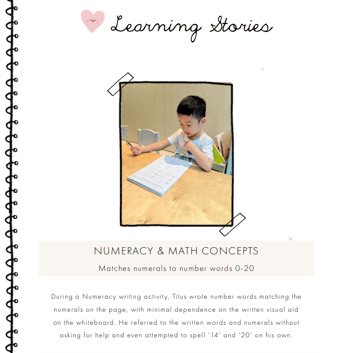
Instead of waiting until the end of term to summarize progress, document small learning moments throughout the year. A short observation, paired with a photo and a reflection, often communicates more than a paragraph of generic comments. Narrative-based assessment builds trust because it shows real growth in real time.
Avoiding common errors improves clarity, professionalism, and the overall impact of report card comments. The following areas highlight frequent challenges educators face during the writing process:
Negative Tone
- Overly critical language: Using harsh language discourages students and creates unnecessary emotional stress for parents and learners.
- Focus only on weaknesses: Highlighting problems without acknowledging strengths can reduce motivation and confidence in learning progress.
- Lack of positive reinforcement: Avoiding encouragement weakens emotional support and limits engagement in classroom improvement.
- Emotionally detached writing: Sounding impersonal or cold in report card comments makes families feel disconnected from the teacher’s intentions and classroom care.
Phrasing Errors
- Vague descriptions: Using unclear statements confuses parents and prevents an accurate understanding of student progress.
- Ambiguous language: Using general terms instead of specific and measurable student performance comments can lead to misinterpretation and reduce the usefulness of report card comments.
- Overuse of educational jargon: Including technical terms limits parents’ comprehension and weakens communication effectiveness.
- Unclear action steps: Failing to provide guidance prevents families from supporting improvement at home.
Procedural and Quality Control
- Inconsistent formatting: Using an irregular structure and layout reduces readability and weakens the professional presentation quality.
- Spelling and grammar errors: Making mistakes in language damages credibility and distracts from important student information.
- Data mismatch errors: Including incorrect student details or performance information creates serious trust and reliability issues.
Generic Feedback
- Repetitive comment templates: Using identical phrasing across multiple students reduces personalization and weakens the impact of feedback.
- One-size-fits-all statements: Using generalized feedback ignores individual learning needs and lowers feedback effectiveness.
- Lack of student-specific details: Failing to reference unique strengths or challenges makes student progress comments feel impersonal.
- Overused praise phrases: Relying on common compliments such as "good job," "doing well," or "great effort" reduces credibility and limits motivational value.
Content Issues
- Missing academic progress details: Omitting important subject-wise report card comments that explain learning achievements and performance trends.
- Ignoring social and emotional development: Overlooking behavioral growth, emotional regulation, and peer interaction skills weakens holistic student evaluation.
- Unbalanced feedback structure: Focusing too heavily on one area while neglecting other important learning domains results in an incomplete and misleading representation of performance.
- Lack of Developmental Alignment: Using inappropriate expectations leads to confusion and misinterpretations of students' abilities.
How Little Lab Makes Report Card Writing Effortless
Writing thoughtful report card comments takes time, reflection, and deep knowledge of each child. But what if reporting did more than summarize performance?
Little Lab goes beyond automating report card comments by recognizing the value of personal observation in early education. Instead of relying solely on end-of-term comments, educators can document ongoing growth through structured observations and narrative-based Learning Stories, an important part of the Little Lab ecosystem.
Teachers can seamlessly add notes, allowing teachers to capture specific classroom moments in their own words, highlighting curiosity, problem-solving, collaboration, and emotional growth. Meaningful photos collected throughout the year bring these stories to life, offering families a window into real experiences rather than static summaries. T
Little Lab also makes it easy to incorporate curated photos collected across the year. Visual documentation adds depth to written feedback, helping families see learning in action. Together, narrative insights and imagery create holistic progress reports that extend far beyond standard student performance comments.
A Balanced Approach to Reporting
By combining AI efficiency with human insight, Little Lab offers the best of both worlds. AI-powered suggestions help generate personalized student progress comments aligned to developmental milestones, reducing administrative load while preserving authentic teacher voice while administrative and preparation time stays low, allowing teachers to retain full creative and professional control over student narratives.
The result is the best of both worlds: less time spent drafting repetitive comments and more time crafting individualized, meaningful feedback that truly reflects each child’s journey.
Looking to go beyond traditional report card comments? Discover how Little Lab helps you create richer, more meaningful progress reports with ease.
Turning Feedback Into Lasting Impact
Thoughtful report card comments strengthen communication, support student growth, and build trust between educators and families. Clear, balanced feedback improves understanding and encourages consistent learning progress. When written with purpose, comments become powerful tools for long-term development.
Teachers shape learning experiences through every word of feedback they provide. Consistent effort, reflection, and clarity help create meaningful academic outcomes. Little Lab supports this process by helping educators streamline feedback while maintaining quality, accuracy, and personalization.
FAQs
What are good report card comments for preschool students?
Good preschool report comments focus on social development, early learning skills, and emotional growth. They highlight play-based learning, communication abilities, and emerging independence using positive and clear language.
How long should report card comments be?
Effective report card comments are concise yet informative. Most comments range between three and six sentences, providing clear insights without overwhelming parents.
How do teachers write negative comments positively?
Teachers reframe challenges by focusing on effort, progress, and next steps. Positive student feedback combined with constructive guidance helps maintain motivation and emotional safety.
Can AI help in writing report card comments?
Yes, AI tools help generate structured and personalized teacher report card comments. They improve efficiency, reduce repetitive work, and maintain consistent tone and clarity.
How often should report card comments be personalized?
Student progress comments should be personalized for each reporting period. Regular customization ensures feedback reflects current performance and individual learning needs.
What do parents look for most in report card comments?
Parents value clarity, honesty, and actionable feedback. They look for strengths, areas for improvement, and practical guidance to support learning at home.